Guides
Quick answer
14 guides covering how the on-board diagnostic system works and how to act on what it reports. The through-line is that a code names a condition rather than a component, and everything here is about closing the gap between those two.
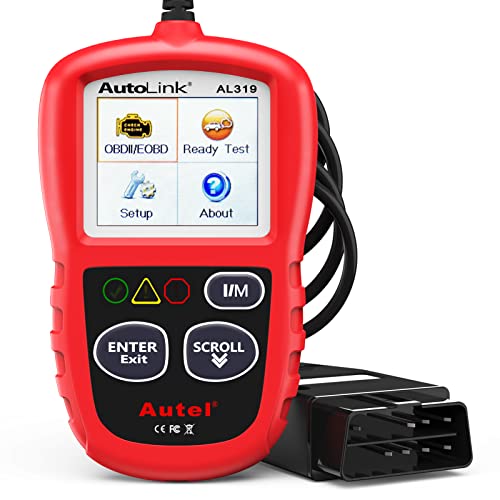
Autel AL319 Professional OBD2 Scanner, Enhanced Check Engine Code Reader
A handheld reader needs no phone, no pairing and no app subscription, and it is enough to answer the first question every one of these guides opens with: what is the code.
Coverage varies by tool and by model year, so check a specific tool against a specific vehicle before buying.
- Guide
Clearing codes safely
Clearing a code erases freeze frame data and resets every readiness monitor to not ready, which is why clearing before an emissions test causes a rejection.
- Guide
Diagnosing an EVAP leak
EVAP codes like P0442 and P0455 tell you leak size, not location. Here is how a smoke machine actually finds the leak the code cannot.
- Guide
Flashing check engine light
A flashing check engine light means an active misfire is dumping raw fuel into the exhaust. It can destroy a catalytic converter within minutes.
- Guide
Freeze frame data explained
Freeze frame data is a snapshot of every monitored sensor value at the instant a trouble code set. Here is how to read it and why it matters.
- Guide
Generic vs manufacturer codes
A P0 code is defined by SAE and shared by every automaker. A P1, P2 or P3 code is defined by the manufacturer and can mean something different on each brand.
- Guide
How OBD2 works
OBD2 is a standardized onboard computer network that turns sensor faults into trouble codes. Here is the protocol, connector and PID system behind it.
- Guide
How to read a trouble code
Every OBD2 code follows the same five character format. Learn what the letter, first digit and remaining digits actually tell you about the fault.
- Guide
Live data PIDs that matter
OBD2 defines over a hundred live data PIDs, but only a handful diagnose most real faults. Here is what normal looks like for the ones worth watching.
- Guide
Mode 6 test data
Mode 6 exposes the raw pass or fail test values behind each readiness monitor, letting you see a component drifting toward failure before it sets a code.
- Guide
OBD2 connector and pinout
The OBD2 connector is a standardized 16 pin trapezoid, but not every pin is used on every vehicle. Here is what each pin carries and why.
- Guide
Pending, stored and permanent codes
A pending code has appeared once. A stored code triggered the light. A permanent code will not clear until the monitor passes on its own. Here is the difference.
- Guide
Readiness monitors and drive cycles
Readiness monitors track whether each emissions system has been tested. Here is what each monitor checks and why a not ready result fails smog testing.
- Guide
Fuel trim explained
Short term and long term fuel trim show how much the engine computer is correcting the air fuel mixture. Learn what positive and negative values mean.
- Guide
What the check engine light means
A steady check engine light means the computer stored an emissions related fault. Here is what triggers it, what does not, and what to do first.
Scanners these guides use
- LJPXHHU
OBD2 Bluetooth Scanner Car Code Reader for iOS, Android and Windows
- wireless
$13.98 Check pricePrices change often - Veepeak
Veepeak Mini Bluetooth OBD2 Scanner Code Reader for Android (NOT for iOS)
- wireless
$14.99 Check pricePrices change often - MOCATEC
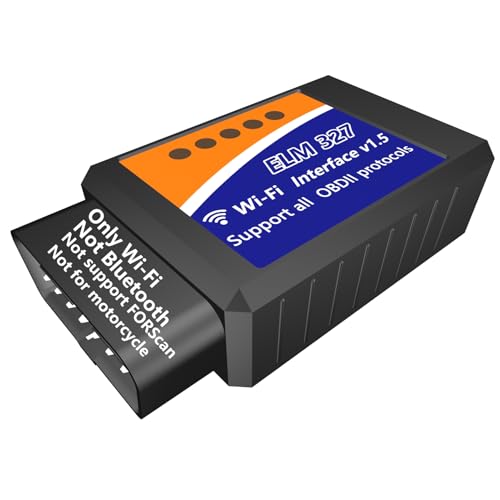
WiFi ELM327 OBD2 Adapter WiFi ELM 327 OBD Scanner for Universal 12V Vehicle
- wireless
$15.95 Check pricePrices change often - UMEIJA
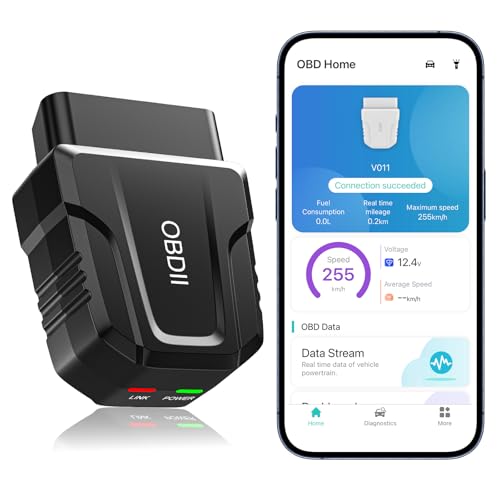
OBD2 Scanner Diagnostic Tool, Car Scanner for iOS & Android, Bluetooth 5.4
- wireless
$29.99 Check pricePrices change often




Common questions
Where do I start if I have never read a code before?
Start with how to read a trouble code, which covers finding the connector, what the scanner is asking the car for and what comes back. Then read what the check engine light means, which separates a steady lamp from a flashing one. Those two between them answer most of what a first-time reader needs before buying anything.
Do I need to understand live data to fix anything?
For a surprising number of faults, yes. A code names a condition, not a component, and live data is how you work out which of several possible causes is the real one. Fuel trim in particular turns a lean code from a shopping list into a single answer, and it is readable on any scanner that streams data.
Is any of this specific to my car?
The standards are shared, and generic code definitions, the connector specification and the structure of freeze frame data are the same across manufacturers. Almost everything else varies: drive cycle procedures, which modules are accessible, and what a manufacturer-specific code means. Every guide here says where the general rule stops and the manufacturer-specific part starts.