Clearing codes safely
Quick answer
Clearing a trouble code erases the freeze frame data attached to it and resets every readiness monitor back to not ready, which is exactly why clearing a code right before an emissions test causes a not ready rejection, and clearing a code never repairs anything since it only erases the record of a fault rather than the fault itself.
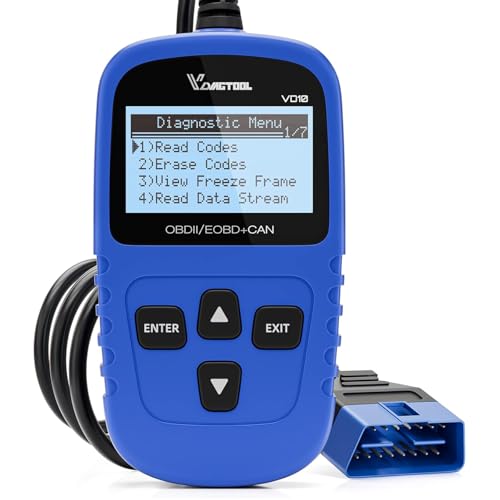
VDIAGTOOL VD10 OBD2 Scanner Code Reader Car Diagnostic Tool Engine Fault Code Reader for Turn Off CEL with Freeze Frame/I/M Readiness for All OBDII Protocol Cars, OBD2 Scanner Diagnostic Tool
A basic code reader with a clear function is all that is needed for this step, since clearing a code is a simple command and does not require live data, bidirectional control or manufacturer specific functions.
Coverage varies by tool and by model year, so check a specific tool against a specific vehicle before buying.
What clearing a code actually does, and what it does not do
Clearing a code sends a command telling the powertrain control module to erase the stored trouble code, its associated freeze frame data, and to reset all readiness monitor statuses back to not ready. That is the entire scope of what the command does. It has no ability to repair a failing sensor, replace a worn part, or fix a vacuum leak. If the underlying fault is still physically present, clearing the code simply delays the light coming back on until the fault is detected and confirmed again.
This distinction matters because clearing a code is sometimes mistaken for a repair step. It is not a repair step. It is a record keeping action, useful only after the actual repair has been completed, to confirm the fault does not recur.
Why clearing a code erases the freeze frame permanently
The freeze frame snapshot attached to a code exists in the same memory location as the code itself, and clearing the code removes both together. Once erased, that specific record of the conditions present when the fault occurred cannot be recovered. If diagnosis is not yet complete, clearing the code before capturing or noting the freeze frame data throws away information that may have helped confirm the cause.
Why clearing a code resets every readiness monitor, not just the one related to the fault
This is the part most often misunderstood. Clearing even a single unrelated code resets all readiness monitors on the vehicle back to not ready, not just the monitor tied to the code that was cleared. A driver who clears an unrelated code the week before a scheduled emissions test can walk in with several monitors not ready, causing an automatic rejection even though the actual repair and emissions performance may be fine.
This is exactly why clearing codes as a quick fix before an emissions test backfires. The inspection station checks monitor readiness status specifically because a recently cleared code, or a disconnected battery, is a known way people have tried to hide unresolved emissions faults in the past. A not ready result triggers the same rejection whether the monitor is not ready because of a real unresolved problem or simply because a code was cleared too recently for the monitors to complete again.
When clearing a code is actually the right move
Clearing a code makes sense after the underlying repair is complete and confirmed, as the final step to reset the check engine light and allow the readiness monitors to begin running again under real driving conditions. It also makes sense when diagnosing an intermittent fault, clearing the code deliberately so you can note whether and how quickly it returns, which itself is diagnostic information.
It does not make sense as a substitute for diagnosis, and it does not make sense as a way to pass an emissions test faster, since the monitor reset that comes with it works directly against that goal.
How to clear a code without losing information you still need
Before clearing anything, record the code number, the freeze frame data if your scan tool displays it, and any live data readings relevant to the fault. Only clear the code once you have either completed the repair or you have deliberately decided you no longer need that specific record. If you are troubleshooting an intermittent issue, consider writing down the mileage and date you cleared it so you can track how quickly, if at all, it returns.
| Item | Effect of clearing a code |
|---|---|
| Stored trouble code | Erased from memory |
| Freeze frame data attached to that code | Erased permanently along with the code |
| Underlying mechanical or electrical fault | Unaffected; not repaired in any way |
| Readiness monitor status (all monitors) | Reset to not ready, not just the related monitor |
| Check engine light | Turns off immediately |
| Permanent codes | Not cleared by this command; require a passing monitor cycle |
Equipment mentioned here
- Autel
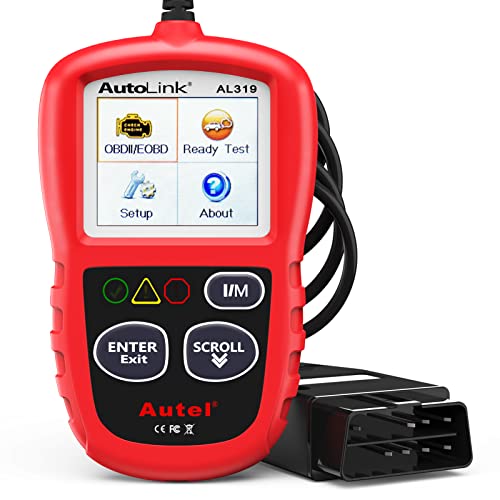
Autel AL319 Professional OBD2 Scanner, Enhanced Check Engine Code Reader
$27.99 Check pricePrices change often - AUTOPHIX
AUTOPHIX OM126P OBD2 Scanner, Check Engine Light Code Reader for OBD2 Cars
$49.99 Check pricePrices change often




Common questions
Will clearing a code fix the problem that caused it?
No. Clearing a code only erases the stored record of the fault and resets the readiness monitors. It has no effect on the physical component, sensor or system that caused the fault, so if that underlying issue is still present, the same code will return once the monitor detects and confirms it again.
Why did my car fail an emissions test after I cleared a code and fixed the problem?
Clearing the code reset every readiness monitor, not just the one tied to the fix, back to not ready. Emissions testing programs check monitor readiness and reject a vehicle with too many not ready monitors regardless of whether the repair itself was successful. The vehicle typically needs several days of normal driving after a code clear before enough monitors complete again.
How long after clearing a code should I wait before an emissions test?
There is no fixed universal number of days, since monitor completion depends on driving pattern, vehicle, and which specific monitors need to run. A general guideline is to drive normally, including both city and highway conditions, for several days to a week and then check monitor status with a scan tool before scheduling the test.
Does disconnecting the battery clear codes the same way a scan tool does?
Disconnecting the battery clears stored codes and resets readiness monitors in a similar way to a scan tool's clear function, but it also resets other systems like radio presets and idle relearn values, and it does not clear permanent codes any more reliably than a scan tool does.
Is it ever a good idea to clear a code before diagnosing the problem?
Generally no, since doing so erases the freeze frame data that could help confirm the cause. The one exception is deliberately clearing a code as part of testing whether an intermittent fault returns, which is itself a diagnostic technique rather than a shortcut around diagnosis.