Readiness monitors and drive cycles
Quick answer
A readiness monitor is a self test the engine computer runs on a specific emissions system, and a monitor reads not ready when it has not yet completed that test since the last code clear or battery disconnect, which is why most emissions testing programs will reject a vehicle with too many monitors showing not ready regardless of whether any actual fault exists.

AUTOPHIX OM126P OBD2 Scanner, Check Engine Light Code Reader for OBD2 Cars
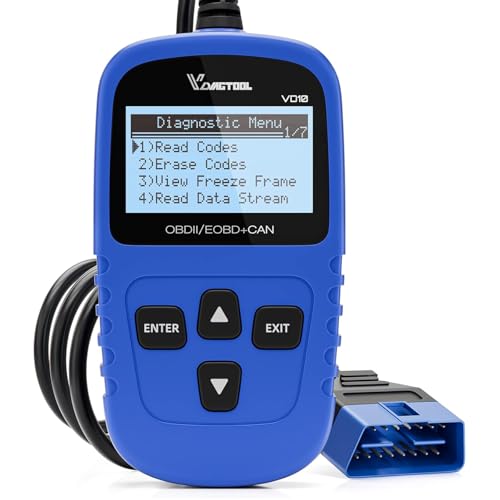
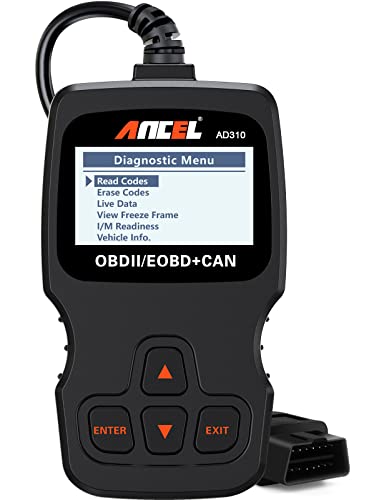
An affordable code reader that displays I/M readiness status is enough to check monitor completion before a scheduled emissions test, without paying for bidirectional or full system functions this specific check does not need.
Coverage varies by tool and by model year, so check a specific tool against a specific vehicle before buying.
What a readiness monitor is actually testing
A readiness monitor is a self diagnostic routine the powertrain control module runs on a specific emissions related system, confirming whether that system is functioning within its expected parameters. There are up to eleven monitors defined under OBD2, though not every vehicle uses every monitor since some depend on which emissions hardware a given engine has installed.
Each monitor reports one of two states: ready, meaning the test has run and completed since the last reset, or not ready, meaning the test has not yet completed. A not ready status does not mean a fault was found; it means the test simply has not finished running yet.
Why monitors reset to not ready in the first place
Clearing a trouble code, disconnecting the battery, or in some cases a dead battery, resets every readiness monitor back to not ready. This is one of the most consequential and least understood facts about OBD2 systems: fixing a problem and immediately clearing the code does not prove the fix worked, it only resets the test status, and the vehicle needs to complete real world driving conditions again before the monitors can re-confirm.
Continuous monitors versus non continuous monitors
Some monitors run constantly during normal driving and reset to ready almost immediately. Others, called non continuous monitors, only run under specific combinations of speed, load, temperature and idle time that occur naturally during a complete drive cycle, and some require several drive cycles to complete fully.
- Continuous monitors: misfire, fuel system, comprehensive component monitor
- Non continuous monitors: catalyst, evaporative system, oxygen sensor, oxygen sensor heater, EGR system, secondary air system, thermostat, and on some vehicles the A/C refrigerant system
How many monitors can be not ready and still pass an emissions test
Most testing programs in the United States allow one or two monitors to be not ready on a vehicle from model year 2001 or newer, and up to two on older vehicles, though the exact allowance varies by state and by program. Exceeding that allowance results in an automatic not ready rejection regardless of the actual emissions performance of the vehicle.
Running a generic drive cycle to complete the monitors
A generic drive cycle that helps most monitors complete typically includes a cold start with the engine off for several hours beforehand, then a mix of idle time, steady highway speed for an extended period, and some stop and go city driving with periods of both light and moderate acceleration. The exact sequence, speeds and durations that will complete every monitor vary by manufacturer and even by model year, so treat any single universal drive cycle as a general starting point rather than a guaranteed procedure for your specific vehicle.
Checking monitor status with a scan tool partway through normal driving, rather than only right before a scheduled test, avoids the surprise of arriving at an inspection station with several monitors still not ready. If a monitor still shows not ready after a full week of mixed driving, it is worth considering whether an actual fault, rather than simply insufficient drive time, is preventing it from completing.
| Monitor | Type | What it checks | Typical completion condition |
|---|---|---|---|
| Misfire | Continuous | Combustion consistency across all cylinders | Runs constantly during engine operation |
| Fuel system | Continuous | Fuel trim staying within expected range | Runs constantly during engine operation |
| Comprehensive component | Continuous | Circuit continuity of monitored sensors and actuators | Runs constantly during engine operation |
| Catalyst | Non continuous | Catalytic converter efficiency | Sustained steady highway speed cruise |
| Evaporative system (EVAP) | Non continuous | Fuel system vapor leaks | Cold start plus a period of engine off soak time |
| Oxygen sensor | Non continuous | Oxygen sensor response time and range | Mixed idle and cruise conditions |
| EGR system | Non continuous | Exhaust gas recirculation flow | Steady speed with moderate load |
| Secondary air system | Non continuous | Air injection system operation, mainly at cold start | Cold start followed by warm up |
Equipment mentioned here
- Autel
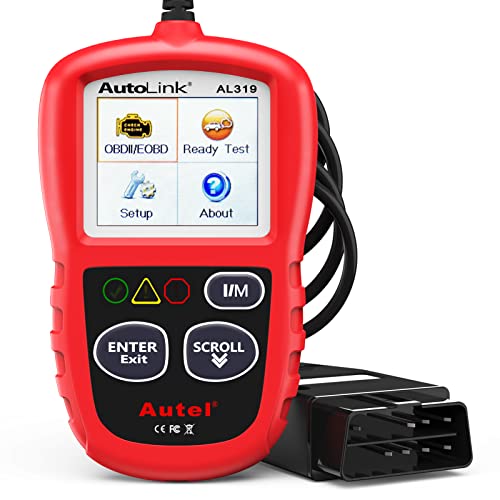
Autel AL319 Professional OBD2 Scanner, Enhanced Check Engine Code Reader
$27.99 Check pricePrices change often



Common questions
What does not ready mean on a readiness monitor?
Not ready means the self test for that specific emissions system has not completed since the last code clear or battery disconnect. It does not indicate a fault was found; it simply means the test has not finished running under the conditions it needs.
Why did all my monitors reset after I disconnected the battery?
Disconnecting the battery clears the module's memory, including readiness monitor status, the same way clearing a trouble code does. Every monitor returns to not ready and needs to complete again through normal driving before the vehicle is ready for an emissions test.
How long does it take to complete all the readiness monitors?
It varies significantly by vehicle and driving pattern. Some monitors can complete within a single trip under the right conditions, while others may take several days of mixed city and highway driving. There is no single universal timeframe since completion depends on your specific vehicle's requirements and how you drive it.
Can I pass an emissions test with a not ready monitor?
Most testing programs allow one or two not ready monitors depending on model year and jurisdiction, but exceeding that limit results in an automatic rejection regardless of actual emissions performance. Check your specific program's allowance before testing.
Is there one drive cycle that guarantees all monitors complete?
No single universal drive cycle guarantees completion on every vehicle, since the exact speed, load, temperature and duration requirements vary by manufacturer and model year. A general mix of highway cruising, idle time and stop and go driving completes most monitors on most vehicles, but always check monitor status with a scan tool rather than assuming completion.
Why is the EVAP monitor taking so long to complete?
The EVAP monitor typically requires a cold start with a specific range of ambient and fuel temperatures along with a period of engine off soak time beforehand, conditions that do not occur on every trip. It is common for the EVAP monitor to be the last one to complete.