Readiness monitor checker
Quick answer
Most emissions programmes allow one incomplete readiness monitor on vehicles from 2001 onward and two on 1996 to 2000 vehicles. Clearing a code resets every monitor to incomplete, which is why a car cleared the day before a test is rejected as not ready even though the lamp is off.
With 3 incomplete against an allowance of 1, the vehicle would be turned away as not ready rather than failed. Nothing is wrong with it, the computer simply has not finished running its self tests.
Only 20 miles since the codes were cleared. Monitors need a mix of driving conditions to run, not just distance: cold starts, steady cruise, idle and a range of speeds. Most vehicles need somewhere between 50 and 200 miles of varied driving, and the evaporative monitor is usually the last to complete because it needs a specific fuel level and ambient temperature window.
The catalyst and evaporative monitors are the two that most often stay incomplete. They have the narrowest conditions, and no amount of motorway driving alone will set them.
Allowances differ between jurisdictions and some programmes allow none at all, so confirm the rule where the vehicle is actually tested.
Allowances vary between jurisdictions, and some programmes are stricter. Check the rule where the vehicle is tested rather than treating this as universal.

TOPDON TopScan Lite OBD2 Scanner, Bidirectional Scan Tool, 8 Resets & AI
Live data and full system access are what most of the answers above depend on. A basic reader gives you the code number and nothing to check it against.
Coverage varies by tool and by model year, so check a specific tool against a specific vehicle before buying.
Tools that show readiness status
- LJPXHHU
OBD2 Bluetooth Scanner Car Code Reader for iOS, Android and Windows
- wireless
$13.98 Check pricePrices change often - Veepeak
Veepeak Mini Bluetooth OBD2 Scanner Code Reader for Android (NOT for iOS)
- wireless
$14.99 Check pricePrices change often - MOCATEC
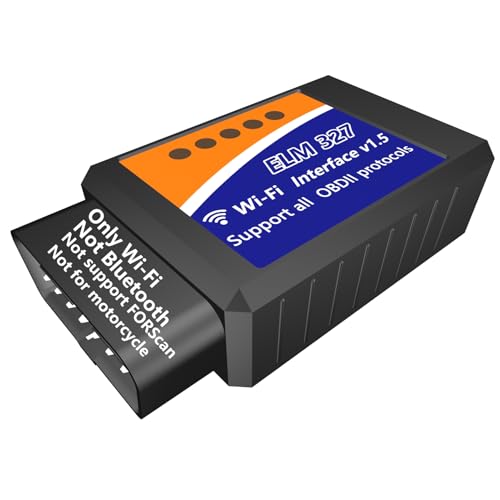
WiFi ELM327 OBD2 Adapter WiFi ELM 327 OBD Scanner for Universal 12V Vehicle
- wireless
$15.95 Check pricePrices change often - Autel
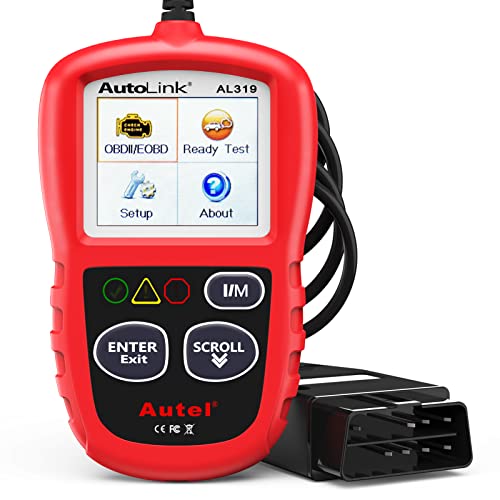
Autel AL319 Professional OBD2 Scanner, Enhanced Check Engine Code Reader
$27.99 Check pricePrices change often - UMEIJA
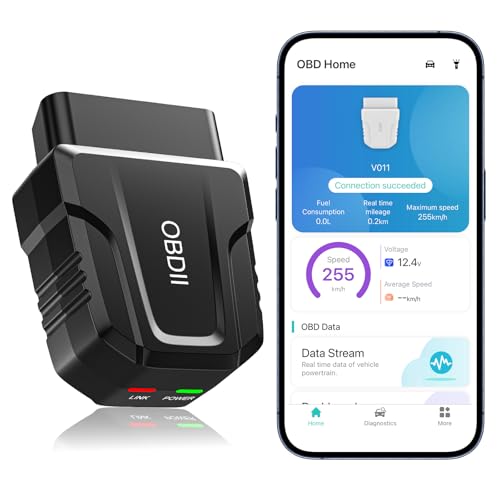
OBD2 Scanner Diagnostic Tool, Car Scanner for iOS & Android, Bluetooth 5.4
- wireless
$29.99 Check pricePrices change often




Common questions
What is a readiness monitor?
A readiness monitor is a self test the engine computer runs on one emissions subsystem, such as the catalyst, the evaporative system or the oxygen sensors. Each monitor reports complete once it has run to a conclusion, and incomplete until it has. An emissions test reads those flags to confirm the computer has actually checked itself rather than simply not noticed a fault.
How long does it take for monitors to reset after clearing codes?
It depends on the monitor rather than on distance alone. Some complete within a single varied drive, while the evaporative monitor often needs a cold start with the fuel level between roughly a quarter and three quarters and a particular ambient temperature range. Most vehicles complete everything within 50 to 200 miles of mixed driving, but some take considerably longer.
Why does my car say not ready after a battery change?
Disconnecting the battery clears the stored diagnostic memory on many vehicles, which resets every readiness monitor to incomplete exactly as clearing codes does. There is nothing wrong with the car. It simply has to drive enough varied conditions for the computer to run all of its self tests again before an emissions programme will accept it.
Can I force the monitors to complete?
You can follow the drive cycle procedure that the manufacturer publishes for that vehicle, which sets out the specific sequence of cold start, idle, acceleration and steady cruise conditions the monitors need. There is no universal drive cycle, and procedures differ meaningfully between manufacturers, so use the one for the specific make rather than a generic version.
Should I clear codes before an emissions test?
No. Clearing codes resets every readiness monitor to incomplete, which produces a not-ready rejection rather than a pass. It also erases the freeze frame data that would have helped diagnose the fault. Repair the underlying problem, then drive the vehicle until the monitors complete on their own before booking the test.