Diagnosing an EVAP leak
Quick answer
An EVAP code like P0442 (small leak detected) or P0455 (large leak detected) tells you that the evaporative emissions system failed its vacuum or pressure based leak test, and how large the leak is, but it does not identify the leak's physical location, which is why confirming the actual source almost always requires introducing visible smoke into the sealed fuel vapor system and watching for where it escapes.

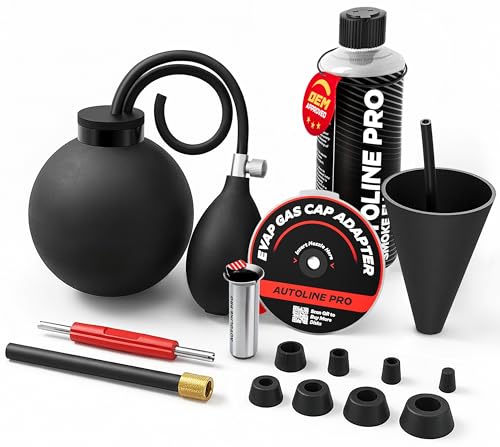
AutoLine Pro HyperSmoke™ Automotive Smoke Machine EVAP Vacuum Leak Tester, Adjustable Pressure, OEM Approved Smoke Fluid, Built-in Air Compressor Motor, Includes Cone and Gas Cap EVAP Adapter.
A smoke machine is the correct tool category for this specific job, since it is the only practical way to make an invisible vacuum leak in a sealed vapor system visible enough to pinpoint its exact physical location.
Coverage varies by tool and by model year, so check a specific tool against a specific vehicle before buying.
What the EVAP system is actually monitoring
The evaporative emissions system, EVAP, captures fuel vapor from the gas tank rather than venting it to the atmosphere, storing it in a charcoal canister until the engine can safely draw it in and burn it through the purge valve during normal operation. The system depends on being sealed; any point where outside air can enter, or vapor can escape, undermines the system's ability to hold vacuum or pressure the way the computer expects during its periodic self test.
Why the code tells you severity, not location
The EVAP monitor works by pressurizing or drawing vacuum on the sealed system and watching how quickly that pressure or vacuum bleeds off. A leak that bleeds off slowly is classified as small, typically triggering a code like P0442. A leak that bleeds off quickly is classified as large, typically triggering a code like P0455 or, for a very specific and common cause, P0457 when the system specifically detects the gas cap is loose or missing.
None of these codes can tell the computer, or you, exactly where along the sealed system the leak is physically located. The system could be a cracked hose anywhere between the tank and the canister, a failed purge or vent valve, a corroded fuel filler neck, or simply a loose gas cap. Finding the actual location requires a different method entirely.
Ruling out the gas cap first
Before using a smoke machine, check the simplest and most common cause: the gas cap. Confirm it is properly seated and clicks or tightens fully, inspect the rubber seal for cracking or debris, and consider replacing it outright if it is old or visibly worn, since gas caps are inexpensive relative to the diagnostic time they can save. If the code was P0457 specifically, this step alone resolves a large share of cases.
How a smoke test actually finds the leak
A smoke machine introduces a visible, pressurized vapor into the sealed EVAP system through the service port or a gas cap adapter, then that smoke escapes at whatever point the seal is broken, becoming visible with a flashlight in a dim area. This turns an invisible vacuum leak into a visible one, which is why a smoke test is the standard method for pinpointing EVAP leaks rather than guessing at components to replace one at a time.
- Connect the smoke machine to the EVAP system through the service port or a gas cap adapter
- Cap or block the natural vent path per the tool's instructions so pressure builds inside the system
- Introduce smoke at a low, safe pressure appropriate for the fuel system
- Inspect visually along the fuel filler neck, hoses, canister and valves in a dim area with a flashlight
- Note the exact point where smoke escapes as the confirmed leak location
Common leak points once you start looking
Beyond the gas cap, frequent leak points include cracked or disconnected vapor hoses, a failed purge valve that does not seal when closed, a failed vent valve at the charcoal canister, a corroded or rusted-through filler neck, and cracks in the plastic fuel tank itself near a mounting point. Age and heat cycling make rubber hoses and plastic components more likely culprits on older vehicles.
Rodent damage is also a common and easily overlooked cause on vehicles that sit for extended periods, since rodents are drawn to the soy based coatings used on some vapor hose insulation and can chew through a hose enough to create a leak without leaving an obviously severed line.
| Code | Leak classification | Common cause |
|---|---|---|
| P0442 | Small leak detected | Minor crack in a hose, slightly loose gas cap, aging seal |
| P0455 | Large leak detected | Disconnected hose, failed purge or vent valve, missing gas cap |
| P0456 | Very small leak detected | Tiny pinhole leak, often the hardest to find without smoke |
| P0457 | Gas cap loose or missing | Gas cap not fully seated, damaged seal, or cap missing entirely |
| P0401 | Insufficient EGR flow (not EVAP, often confused) | EGR valve or passage restriction, unrelated to EVAP sealing |
Equipment mentioned here
- RYANSTAR RACING
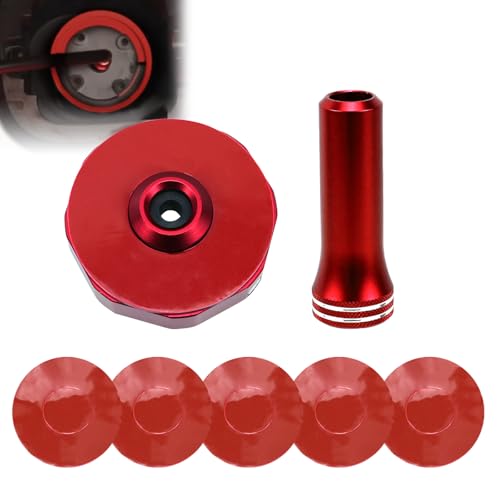
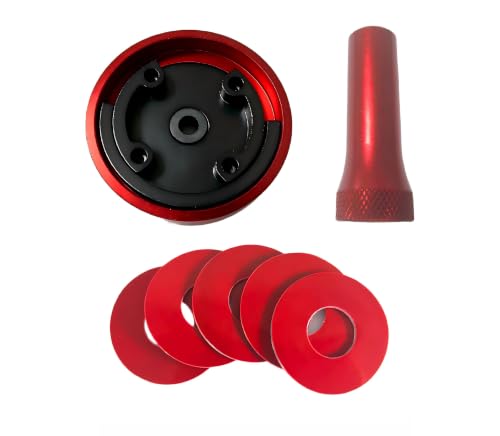
RYANSTAR RACING EVAP Smoke Machine Gas Cap Adapter Leak Test Tool
$20.89 Check pricePrices change often - GODIAG
GODIAG 23PCS Automotive Cap Plugs Kit for Smoke Machine Leak Testing Red
$20.99 Check pricePrices change often - Solary
Solary Automotive Smoke Machine Leak Detector - 12V DC EVAP Vacuum Diagnostic Tester for Pipe System
$58.99 Check pricePrices change often



Common questions
Can I diagnose an EVAP leak without a smoke machine?
For a leak large enough to hear or find by inspection, sometimes yes, particularly a visibly cracked hose or an obviously damaged gas cap. For smaller leaks, especially those classified as very small under a code like P0456, a smoke test is generally the practical method since the leak is often too small to find by visual inspection alone.
Is it safe to introduce smoke into the fuel vapor system?
Smoke machines designed for automotive EVAP testing use a non flammable smoke fluid at low, controlled pressure specifically designed for this purpose, and are a standard diagnostic method. Follow the specific tool's instructions for pressure limits and connection points for your fuel system.
Why does my EVAP code keep coming back after I replaced the gas cap?
If the gas cap was not actually the source of the leak, replacing it will not resolve the code, and the underlying leak elsewhere in the system will continue to trigger the monitor once it runs again. A smoke test at that point helps confirm the actual location rather than guessing at additional parts.
How long does it take for an EVAP code to reappear after clearing it if the leak is not fixed?
It depends on how quickly the EVAP monitor's specific test conditions occur again, which commonly require a cold start along with a period of engine off soak time beforehand. This can take anywhere from the next drive to several days depending on your driving pattern.
Does a smoke test find leaks anywhere else besides the EVAP system?
Smoke testing is also commonly used for intake vacuum leaks, though the connection point and pressure differ from an EVAP specific test. Confirm the tool and adapter you are using are appropriate for the specific system you are testing before connecting it.