Mode 6 test data
Quick answer
Mode 6 is an OBD2 diagnostic mode that exposes the actual raw test values and pass or fail limits the powertrain control module uses internally to evaluate each readiness monitor, letting you see a component trending toward failure by comparing its current test value to its limit, well before that drift is severe enough to set a trouble code.
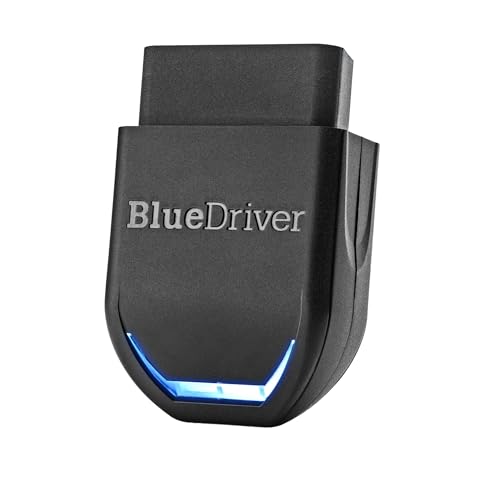
BlueDriver OBD2 Scanner Bluetooth, No Subscription, ABS SRS TPMS
A scan tool built specifically to surface mode 6 test data in plain, translated terms rather than raw hexadecimal values is what makes this diagnostic mode actually usable, since mode 6 data is otherwise dense and difficult to interpret without translation.
Coverage varies by tool and by model year, so check a specific tool against a specific vehicle before buying.
What mode 6 actually is
OBD2 defines ten diagnostic modes, or services, that a scan tool can request from the vehicle. Mode 1 gives current live data. Mode 3 gives stored trouble codes. Mode 6 gives the results of onboard component and system monitoring tests, specifically the numeric test values recorded during each readiness monitor's evaluation, along with the minimum or maximum limit that value needed to stay within to pass.
This is fundamentally different from a trouble code, which only tells you a limit was exceeded. Mode 6 tells you the actual measured value and how close it was to that limit, whether it passed comfortably, passed narrowly, or failed.
Why mode 6 data is normally hard to read
Mode 6 data comes back from the vehicle as raw hexadecimal test IDs and values, not plain language. Without a scan tool that specifically translates these test IDs into readable descriptions, mode 6 output looks like a list of unlabeled numbers. This is why not every scan tool supports mode 6 in a genuinely usable way; some retrieve the raw data but display it without translation, which makes it effectively unreadable for most users.
Some manufacturers also scale their raw test values differently from others, so even a translated test ID can display a number that looks meaningless without knowing that manufacturer's specific scaling and units. A scan tool built to handle mode 6 well accounts for this scaling automatically so the displayed value and its limit are directly comparable at a glance.
The real value: catching a component before it fails a monitor
The most practical use of mode 6 is trend spotting. A catalytic converter, an oxygen sensor, or an EVAP system component can show a test value that is passing but drifting closer to its failure limit over a period of weeks or months. A trouble code only appears once that value actually crosses the limit. Checking mode 6 periodically lets you catch that drift and plan a repair proactively, rather than waiting for the check engine light to appear.
How to read a mode 6 result
A mode 6 entry generally includes the test ID, a description of what it measured if your tool translates it, the measured value, and the minimum and maximum limits that value needed to stay within. Compare the measured value against the limit: a value sitting close to the limit, even if technically passing, is the one worth monitoring over successive checks.
- Test ID: identifies which specific internal test the value belongs to
- Measured value: the actual reading recorded during the monitor's test
- Minimum and maximum limits: the pass or fail thresholds for that test
- Pass or fail status: whether the measured value stayed within the limits
Where mode 6 fits in a broader diagnostic approach
Mode 6 is most useful after a repair, to confirm a component is now passing with margin rather than barely scraping by, and as a periodic health check on components known to degrade gradually, like oxygen sensors and catalytic converters. It is generally not the first place to look when actively chasing a fault that already set a code, since freeze frame data and live data PIDs are typically more directly useful for that stage of diagnosis.
A reasonable habit is to check mode 6 results once after any repair touching an emissions related component, and again periodically as part of routine maintenance on an older vehicle, particularly one with known catalytic converter or oxygen sensor wear. Building that check into a maintenance routine turns mode 6 from a rarely used diagnostic mode into a genuine early warning system.
| OBD2 mode | What it provides | Best used for |
|---|---|---|
| Mode 1 | Current live data (PIDs) | Watching real time sensor behavior while driving |
| Mode 2 | Freeze frame data | Seeing conditions present when a code set |
| Mode 3 | Stored (confirmed) trouble codes | Identifying which fault triggered the light |
| Mode 6 | Component and system self test results | Spotting a component drifting toward failure before a code sets |
| Mode 7 | Pending trouble codes | Seeing faults detected once but not yet confirmed |
| Mode 9 | Vehicle information (VIN, calibration IDs) | Confirming vehicle identity and software version |
Equipment mentioned here
- LJPXHHU
OBD2 Bluetooth Scanner Car Code Reader for iOS, Android and Windows
- wireless
$13.98 Check pricePrices change often - Veepeak
Veepeak Mini Bluetooth OBD2 Scanner Code Reader for Android (NOT for iOS)
- wireless
$14.99 Check pricePrices change often - MOCATEC
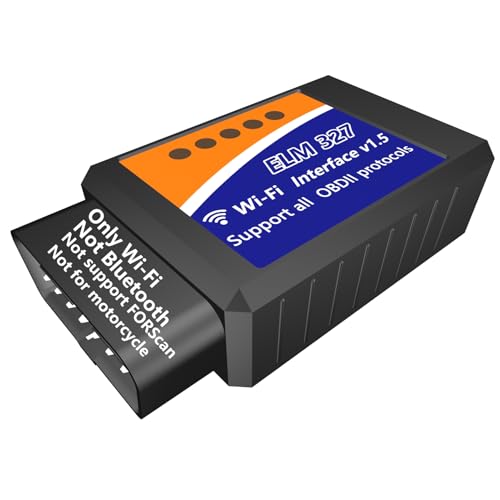
WiFi ELM327 OBD2 Adapter WiFi ELM 327 OBD Scanner for Universal 12V Vehicle
- wireless
$15.95 Check pricePrices change often - UMEIJA
OBD2 Scanner Diagnostic Tool, Car Scanner for iOS & Android, Bluetooth 5.4
- wireless
$29.99 Check pricePrices change often




Common questions
Do I need mode 6 data if I do not have any trouble codes?
Mode 6 is genuinely most useful in exactly this situation, since it can reveal a component that is passing its self test but drifting toward its failure limit well before a code would ever appear. Checking it periodically on an otherwise healthy vehicle is a reasonable proactive habit.
Why does my scan tool show mode 6 data as unreadable numbers?
Many scan tools retrieve raw mode 6 test IDs and values without translating them into plain language descriptions, since that translation requires the tool manufacturer to maintain a database mapping test IDs to readable meanings. A tool marketed specifically as supporting mode 6 in a translated, readable form is necessary to actually use this data practically.
Can mode 6 data predict exactly when a part will fail?
No. It shows a current test value relative to a pass or fail limit, which can reveal a trend if checked repeatedly over time, but it cannot predict an exact failure date. It is a leading indicator, not a countdown.
Is mode 6 the same as a mode 6 emissions test at a smog check station?
No, this is a common point of confusion. OBD2 mode 6 is a data retrieval mode built into the vehicle's own onboard diagnostics, unrelated to how a state emissions testing program structures its inspection process, even though some programs may reference OBD2 data during testing.
Which components typically show up most often in mode 6 data?
Oxygen sensors, catalytic converter efficiency tests, and EVAP system leak tests are among the components most commonly represented in mode 6 results, since these are systems the OBD2 standard requires ongoing self testing on.