Best OBD2 scanners for DIY mechanics
Quick answer
The XTOOL A30D at $119.00 is the best OBD2 scanner for DIY mechanics because it adds full-system coverage, bidirectional control and 19 reset services, which handles most home-garage repairs beyond simple code reading.

XTOOL A30D Bidirectional OBD2 Scanner Diagnostic Tool All System & 19 Reset
At $119.00, the XTOOL A30D covers full-system diagnostics with bidirectional control and 19 reset services, which is the point where a DIY scanner stops being just a code reader and starts being a real repair tool.
Coverage varies by tool and by model year, so check a specific tool against a specific vehicle before buying.
The three tiers
Beginner: Best first scanner for a home garage
Who it is for: someone just starting to do their own maintenance and repairs and wants to understand a check engine light

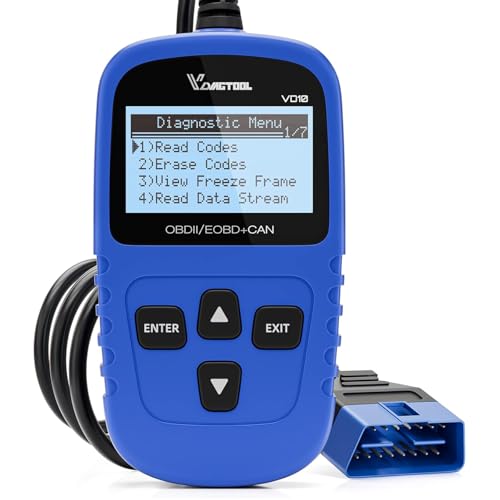
The ANCEL AD310 at $29.99 reads and clears generic OBD2 codes on any 1996-or-newer vehicle with no app or subscription, which is enough to catch straightforward issues like a loose gas cap or a failing oxygen sensor before deciding whether a bigger tool is worth buying.
Not for: anyone planning brake, ABS or actuator work, since this tool covers generic engine codes only.
Intermediate: Best scanner for routine DIY maintenance
Who it is for: a home mechanic doing regular maintenance who wants live data and service resets in one wireless tool

The Innova 5210 at $79.96 adds live data streaming, a battery and charging system test, and an oil-service reset to basic code reading, all through a widely used repair app, which covers the maintenance tasks that come up most often in a home garage.
Not for: anyone chasing ABS or SRS codes specifically, or needing bidirectional control for a brake or actuator repair.
Expert: Best scanner for real DIY repair work
Who it is for: a DIYer ready to do brake bleeds, sensor calibrations and actuator tests, not just read and clear codes
- Expert pick
XTOOL A30D Bidirectional OBD2 Scanner Diagnostic Tool All System & 19 Reset
- full system
- bidirectional
- service resets
$119.00 Check pricePrices change often
The XTOOL A30D at $119.00 is a full-system, bidirectional scanner with 19 reset services, which lets a DIYer actually complete repairs that require commanding a module, such as an ABS bleed or a steering angle reset, instead of stopping at diagnosis.
Not for: someone who never plans to go beyond checking a code before calling a shop. That question is fully answered by the beginner tier.
| Scanner | Price | Capability | Best for |
|---|---|---|---|
| ANCEL AD310 | $29.99 | Read and clear generic codes | First scanner in a new home garage |
| Autel AL319 | $27.99 | Enhanced reading, freeze frame | Slightly more detail on a budget |
| Innova 5210 | $79.96 | Live data, battery test, oil reset | Routine maintenance and resets |
| BlueDriver | $94.95 | ABS, SRS, TPMS, no subscription | Broader system visibility |
| XTOOL A30D | $119.00 | Full system, bidirectional, 19 resets | Actually completing repairs, not just reading |
What tools does a home garage actually need?
Most home-garage work falls into three buckets: figuring out why a warning light is on, performing routine maintenance resets like an oil-service reminder, and occasionally completing a repair that requires commanding a module directly. A basic reader covers the first, a live-data scanner covers the first two, and a bidirectional tool covers all three.
Very few DIYers need to jump straight to the most expensive option. Buying based on the repair actually in front of you, rather than every repair you might ever attempt, keeps the tool budget proportional to the work.
It also helps to think of a scanner as one tool among several in a home diagnostic kit rather than a single do-everything device. A multimeter, a test light and basic hand tools handle a large share of electrical troubleshooting that a scan tool alone cannot, since a scanner only reports what the vehicle computer already knows, not what is happening at a specific wire or connector.
When does a DIYer actually need bidirectional control?
The most common home-garage repairs that require it are electronic parking brake service before pad replacement, ABS bleeding on vehicles with electronic modulators, and steering angle sensor calibration after an alignment. If none of those apply to your current project, a live-data scanner without bidirectional control is enough.
- Replacing brake pads on a vehicle with an electronic parking brake caliper
- Bleeding ABS brakes after opening the hydraulic system
- Recalibrating the steering angle sensor after an alignment or steering component replacement
Is a wireless dongle or a standalone scanner better for a home garage?
A wireless dongle paired to a phone app is usually cheaper for the same base capability and is convenient if you are already comfortable with a repair app. A standalone scanner with its own screen needs no phone and tends to have a steadier connection for bidirectional commands, which matters more as the repairs get more involved.
When should a DIYer stop and call a shop?
A scanner can point to the affected system and even the likely component, but it cannot tell you whether a repair is within your comfort level, your available tools, or worth the time against a shop's labor rate. Safety-critical systems, brakes, steering and restraint systems in particular, deserve extra caution if a repair feels beyond your confidence or your tool set, even with the right scanner in hand.
A reasonable rule of thumb: if the repair procedure calls for a specialized tool you do not own and would need to buy for a one-time job, comparing that cost against a shop quote is worth doing before committing to the DIY route.
How we chose
This roundup is researched from published manufacturer specifications and listing capability claims across our catalog, not from hands-on testing of every unit. Capability claims such as live data, bidirectional control and reset counts come directly from what each listing states, and prices match current listings.
We built this list around what a typical home garage actually does: reading and clearing codes to decide on a repair, performing routine maintenance resets like oil service, and occasionally tackling a repair that requires an active test or bidirectional command. Each tier maps to one of those three levels of work.
Vehicle coverage for live data, extended systems and bidirectional functions varies by manufacturer and model year even within tools that advertise broad support. Verify coverage for your specific vehicle before assuming a listed capability applies to it.
Buying tips
Do I need to spend $119 if I only do oil changes and brake pads?
No. Routine maintenance like oil changes, brake pad replacement on vehicles without electronic parking brakes, and battery replacement never requires bidirectional control. Save the upgrade for when a specific repair procedure calls for an active test or bidirectional command.
What is the most useful upgrade over a basic reader for a DIYer?
Live data is often more useful day to day than bidirectional control for a typical home garage, since it helps confirm whether a repair actually fixed the problem before you put everything back together. Bidirectional control matters for a smaller set of specific repairs, mainly brake and restraint system work.
Should I buy tools individually or as I need them?
For a home garage, buying incrementally, a basic reader first, then a live-data tool, then a bidirectional tool only once a specific repair calls for it, generally saves money over buying the most capable tool upfront on the assumption you might need it eventually. See our home shop kit guide for how to build out a full diagnostic setup over time.
Other options worth knowing about
- LJPXHHU
OBD2 Bluetooth Scanner Car Code Reader for iOS, Android and Windows
- wireless
$13.98 Check pricePrices change often - Veepeak
Veepeak Mini Bluetooth OBD2 Scanner Code Reader for Android (NOT for iOS)
- wireless
$14.99 Check pricePrices change often - MOCATEC
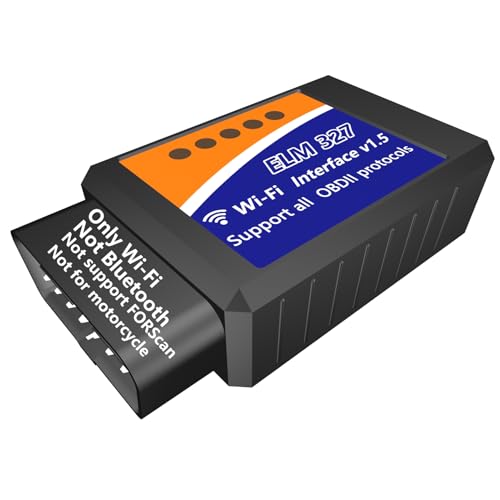
WiFi ELM327 OBD2 Adapter WiFi ELM 327 OBD Scanner for Universal 12V Vehicle
- wireless
$15.95 Check pricePrices change often




Common questions
What is the best OBD2 scanner for a beginner home mechanic?
The ANCEL AD310 at $29.99 is the best starting point because it reads and clears generic engine codes with no app or subscription required, which answers the most common first question: what does this warning light mean?
Do I need a bidirectional scanner for basic DIY maintenance?
No. Oil changes, brake pad replacement on vehicles without electronic parking brakes, battery service and most sensor replacements do not require bidirectional control. It becomes necessary for specific repairs like ABS bleeding or electronic parking brake caliper retraction.
Is live data worth having for a DIY mechanic?
Yes, more often than bidirectional control for typical home-garage work. Live data helps confirm a repair actually fixed the problem, such as verifying an oxygen sensor reading normalized after replacement, before you finish reassembling the vehicle.
Should a DIYer buy the most expensive scanner available?
Generally no. Buying incrementally, starting with a basic reader and upgrading only once a specific repair requires more capability, keeps spending proportional to the actual work. Most home-garage repairs never require the professional-tier features found on the most expensive scanners.
What reset services matter most for a home garage?
Oil-service resets and battery registration come up most often in routine maintenance. ABS bleed sequences and steering angle calibration come up less often but are specific enough that a basic scanner cannot substitute; they require a tool that lists bidirectional reset support for those functions.