How to read a trouble code
Quick answer
A trouble code such as P0301 breaks into a letter for the system (P for powertrain), a first digit for whether it is generic or manufacturer specific (0 is generic, 1 is manufacturer specific), a second digit for the subsystem (3 is ignition or misfire), and two final digits identifying the specific fault, in this case cylinder 1.

ANCEL AD410 Enhanced OBD2 Scanner, Vehicle Code Reader for Check Engine Light, Automotive OBD II Scanner Fault Diagnosis, OBDII Scan Tool for All OBDII Cars 1996+, Black/Yellow
An enhanced code reader that also shows freeze frame and some live data lets you see not just the code number but the conditions the fault occurred under, which is the context you need to actually decode what a code is telling you.
Coverage varies by tool and by model year, so check a specific tool against a specific vehicle before buying.
What each character in a trouble code means
Every OBD2 diagnostic trouble code is exactly five characters: one letter followed by four digits. Reading the code correctly means reading each position separately rather than memorizing the whole string as one label.
- First character, a letter: the system. P is powertrain, B is body, C is chassis, U is network or communication.
- Second character, a digit: the code type. 0 means the code is generic, defined by the SAE standard and shared across all manufacturers. 1, 2 or 3 means the code is manufacturer specific and defined by that automaker.
- Third character, a digit: the subsystem within that category, for example 1 for fuel and air metering, 3 for ignition and misfire, 4 for auxiliary emissions controls.
- Fourth and fifth characters: the specific fault number within that subsystem.
Why the second digit changes everything
The generic versus manufacturer distinction in the second character is the single most important thing to check before researching a code. A P0-series code, like P0420, has the exact same definition on every gasoline vehicle sold under the OBD2 mandate: catalyst system efficiency below threshold, bank 1. A P1-series code is defined by the manufacturer alone, so P1000 means something different on a Ford than it does on a Toyota, and looking up a manufacturer code against a generic code list will give you a wrong answer.
A worked example: breaking down P0171
P0171 breaks down as P for powertrain, 0 for generic, 1 for the fuel and air metering subsystem, and 71 identifying the specific fault: system too lean, bank 1. Reading it piece by piece tells you the failure category (fuel metering, not ignition), the scope (generic, so the definition is the same on any gasoline OBD2 vehicle), and the exact condition (the engine computer is seeing more air, or less fuel, than it expects on the bank 1 side of the engine).
That structure is why a code by itself is a starting point, not a finished diagnosis. P0171 tells you the engine is running lean on bank 1. It does not tell you whether that is a vacuum leak, a dirty mass air flow sensor, a weak fuel pump or a leaking intake gasket. Confirming the actual cause means checking live fuel trim data and freeze frame conditions alongside the code.
Reading multiple codes in the right order
When a scan pulls back several codes at once, work from cause toward effect rather than top to bottom. A single root fault, like a failing mass air flow sensor, can trigger a lean code, a fuel trim code and a misfire code simultaneously. Clearing and fixing the root cause usually resolves the downstream codes without touching them individually.
Pending codes are worth reading before stored codes, since a pending code shows a fault the computer has only seen once and has not yet confirmed across enough drive cycles to turn on the check engine light. That gives you a warning before the light appears.
Where to find the correct definition for your specific code
Generic P0, B0, C0 and U0 codes have one universal definition you can look up directly. Manufacturer specific codes, and even some generic codes with brand dependent likely causes, need a service manual or a database specific to your make and model, because the same five characters can point to different components on different platforms.
Even within generic codes, the definition tells you the monitored condition, not necessarily every possible cause. A generic code database is a reliable starting point for what the code means, but confirming which specific cause applies to your vehicle often still benefits from checking technical service bulletins or forums specific to your make, model and year.
| Position | What it identifies | Example values | What it tells you |
|---|---|---|---|
| 1st: letter | System | P, B, C, U | Powertrain, body, chassis, or network |
| 2nd: digit | Code type | 0 or 1/2/3 | Generic (SAE defined) or manufacturer specific |
| 3rd: digit | Subsystem | 1 through 8 | Fuel/air, ignition/misfire, emissions, speed control, and so on |
| 4th and 5th: digits | Specific fault | 00 through 99 | The exact condition within that subsystem |
Equipment mentioned here
- Autel
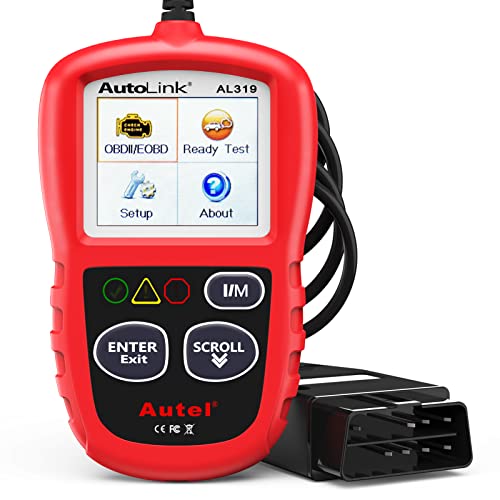
Autel AL319 Professional OBD2 Scanner, Enhanced Check Engine Code Reader
$27.99 Check pricePrices change often - AUTOPHIX
AUTOPHIX OM126P OBD2 Scanner, Check Engine Light Code Reader for OBD2 Cars
$49.99 Check pricePrices change often




Common questions
What is the difference between a P0 code and a P1 code?
A P0 code is generic, meaning the SAE defines it and every manufacturer must use the same definition. A P1 code is manufacturer specific, meaning the automaker defines what it means, so the same P1 number can represent a completely different fault on two different brands.
Does the code number tell me which part to replace?
No. A trouble code identifies a circuit, a system or a monitored condition, not necessarily a single failed part. P0420, for example, flags catalyst efficiency below threshold, which can be caused by a failing catalytic converter, a lazy oxygen sensor, or an exhaust leak upstream of the sensor.
What does the B, C, and U prefix mean if my scanner shows one?
B codes cover body systems like airbags, climate control and lighting. C codes cover chassis systems like ABS and stability control. U codes cover network and communication faults between modules. A basic generic scanner usually only reads P codes; reaching B, C and U codes typically requires an enhanced or full system scan tool.
Why does my scanner show a code my mechanic's tool does not?
This is usually a pending versus stored difference, or a generic reader missing a manufacturer specific code that a dealer level tool can see. It can also mean the code cleared itself after enough consecutive trips passed without the fault recurring.
Can I trust a random website's explanation of a code number?
For generic P0, B0, C0 and U0 codes, a reputable code database is reliable since the definition is standardized. For manufacturer specific codes, cross check against a source that specifically covers your make, since a generic explanation may not match what that code means on your particular vehicle.