Scan tool vs mechanic diagnostic fee
Quick answer
A basic reader like the ANCEL AD310 ($29.99) pays for itself against a single shop diagnostic visit, while a capable bidirectional scanner like the Innova 5610 ($349.99) becomes the better value once you expect to need it more than once or twice.

ANCEL AD310 Classic Enhanced Universal OBD II Scanner Car Engine Fault Code Reader CAN Diagnostic Scan Tool, Read and Clear Error Codes for 1996 or Newer OBD2 Protocol Vehicle (Black)
Anyone who just wants to know what a check engine light means before deciding whether a shop visit is even necessary.
Coverage varies by tool and by model year, so check a specific tool against a specific vehicle before buying.
| Own a cheap reader | Own a bidirectional scanner | Pay a shop diagnostic fee | |
|---|---|---|---|
| Upfront cost | $29.99, one time | $349.99, one time | Charged per visit |
| Reuse cost | None, unlimited future use | None, unlimited future use | Full fee again each visit |
| Confirms a repair worked | Limited, clears code and rechecks light | Yes, can run active tests | Yes, but requires another visit |
| Convenience | Check the light anytime, no appointment | Check and test anytime, no appointment | Requires scheduling and drop-off |
| Diagnostic depth | Basic codes only | Codes, live data, and active tests | Technician expertise plus shop-grade tools |
| Best for | One-off curiosity or infrequent use | Regular DIY repair work | Complex faults needing expert judgment |
The one-visit breakeven math
A shop diagnostic fee is charged to plug in a scan tool, read the code, and often to also do a visual inspection and interpret the result, work that a $30 reader lets you do yourself in your own driveway. If your only goal is knowing which code triggered the check engine light, a basic reader pays for itself the first time you use it instead of paying a shop just to retrieve that same information.
Where a shop visit still makes sense even if you own a reader
Owning a reader tells you the code, not necessarily the root cause. A P0300 random misfire code, for example, can point to a wide range of causes from a bad coil to a vacuum leak to a mechanical engine problem, and interpreting which one applies to your specific situation is exactly what a technician's experience is for. A code reader is the starting point of diagnosis, not a replacement for it.
Complex intermittent faults, faults requiring specialized shop equipment beyond a scan tool, or situations where you are not comfortable performing the repair yourself are all reasonable times to still pay for a shop visit even after owning a scan tool.
Why a bidirectional scanner changes the math further
A bidirectional scanner lets you not just read a code but also run an active test to confirm a repair actually fixed the problem, such as commanding an EVAP purge valve to open and watching it respond. Without that capability, confirming a fix sometimes means driving the vehicle for a while and hoping the code does not return, or paying a shop to verify.
For anyone doing repairs themselves on a semi-regular basis, this active confirmation function is where a bidirectional tool earns back its higher upfront cost fastest, since it replaces both the initial diagnostic fee and a potential follow-up verification visit.
- One repair avoided at a shop: reader often pays for itself
- Two to three repairs avoided: bidirectional scanner typically breaks even
- Ongoing DIY maintenance: either tool keeps paying for itself indefinitely
What you are not getting by skipping the shop
A shop visit includes a technician's judgment, access to manufacturer service information and technical service bulletins, and sometimes specialized equipment like a smoke machine or a lift, none of which come with a scan tool purchase. If a fault turns out to be something like an intermittent wiring issue that resists straightforward diagnosis, a technician's experience can be worth paying for even after you already own a capable scan tool.
A reasonable way to decide
If this is the first check engine light you have ever dealt with and you are not sure you will need a tool again soon, a cheap reader is a low-risk way to get an answer before committing to either a shop visit or a bigger tool purchase. If you already know you do your own repairs regularly, skip straight to a bidirectional scanner, since the additional cost over a basic reader is small relative to what a single avoided shop visit saves.
Bidirectional scanner (buy once)
Owners who do their own repairs regularly and want a tool that also confirms the fix worked, not just identifies the problem.

Other tools in this comparison
- Autel
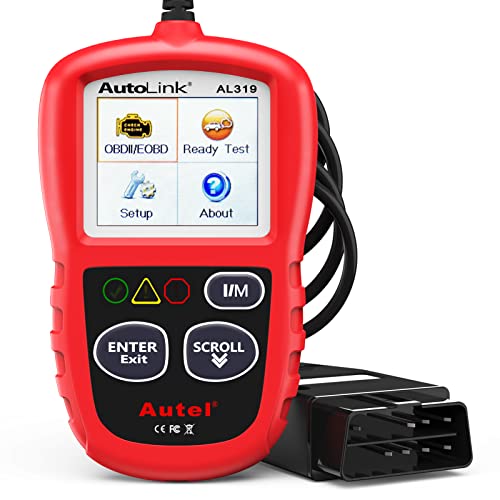
Autel AL319 Professional OBD2 Scanner, Enhanced Check Engine Code Reader
$27.99 Check pricePrices change often - AUTOPHIX
AUTOPHIX OM126P OBD2 Scanner, Check Engine Light Code Reader for OBD2 Cars
$49.99 Check pricePrices change often




Common questions
Is it worth buying a scan tool for just one check engine light?
Usually yes for a basic reader, since it typically costs less than a single shop diagnostic fee and you keep the tool for any future light. Whether it is worth it depends more on whether you are comfortable interpreting the code and performing or arranging the repair yourself once you have it.
Do shops use better scan tools than what I can buy?
Some shops use higher-tier professional tools than consumer-priced scanners, particularly for deep ECU coding or manufacturer-specific functions, but many independent shops use tools in a similar tier to what is available to consumers. The bigger difference is usually the technician's experience interpreting results, not necessarily the hardware alone.
Can a cheap scan tool tell me if a repair actually fixed the problem?
A basic reader can clear the code and let you drive to see if it returns, which is a reasonable but indirect way to check. A bidirectional scanner can run an active test on many systems to more directly confirm a component responds correctly, which is a more reliable confirmation method where it is supported on your vehicle.
Will a shop diagnostic fee be waived if I get the repair done there?
Many shops apply the diagnostic fee toward the repair cost if you have the work done with them, though this policy varies by shop and is worth asking about directly before the visit. If you decline the repair or take the vehicle elsewhere, the diagnostic fee is often still charged.
When should I skip DIY and just pay for a shop visit?
If the fault is intermittent, if you are not confident identifying the actual root cause behind a code, or if the repair requires specialized equipment or expertise you do not have, paying for a shop visit is often the more efficient choice even if you already own a scan tool.