P0420 on a Ford
Quick answer
P0420 on Ford vehicles is often tied to misfire-driven catalyst damage on models with the documented Triton V8 spark plug issue, or to normal sensor aging on four-cylinder EcoBoost and Duratec engines, so the underlying cause differs significantly by engine family.
Severity 2 of 4. Yes, while you arrange a repair.
Fix soon · Safe to keep driving
| Code | P0420 |
|---|---|
| Standard name | Catalyst System Efficiency Below Threshold (Bank 1) |
| Make | Ford |
| Severity | Fix soon (2 of 4) |
| Safe to drive | Yes, while you arrange a repair |
| Tool needed | Scanner with live data |

TOPDON TopScan Lite OBD2 Scanner, Bidirectional Scan Tool, 8 Resets & AI
Adds live sensor streams and freeze frame, which is what turns a code into a diagnosis rather than a guess.
Coverage varies by tool and by model year, so check a specific tool against a specific vehicle before buying.
What is different about P0420 on a Ford?
Ford's engine lineup spans everything from small turbocharged four-cylinders to full-size V8 trucks, and the documented causes behind P0420 differ enough between those families that the engine matters more than the model name for narrowing down the cause.
Ford specific patterns behind P0420
Triton V8 misfire-to-catalyst damage: Ford's 3-valve Triton V8, used in many 2004 to 2008 F-150 and Expedition models, has a well-documented spark plug ejection and breakage issue that causes ongoing misfires; unaddressed misfires of this kind can push unburned fuel into the catalyst and cause genuine catalyst damage that then sets P0420 as a secondary code.
EcoBoost and Duratec sensor and gasket wear: On Ford's smaller EcoBoost and Duratec four-cylinder engines, P0420 more commonly follows normal downstream oxygen sensor aging or minor exhaust leaks rather than the misfire-driven pattern seen on the older Triton V8s.
What to check first on a Ford
The order below narrows the generic P0420 list down to what is worth checking first on this make. It is a starting order, not a diagnosis: patterns are generation specific and a vehicle outside those generations may have none of them.
Check in this order
- Check for stored or pending misfire codes first, especially on Triton V8-equipped trucks and SUVs
- Inspect spark plugs for signs of ejection or damage on 3-valve Triton V8 engines
- Inspect the exhaust system for leaks ahead of the downstream sensor on four-cylinder models
- Address any misfire before considering catalyst replacement, since a new catalyst will fail again under continued misfire conditions
The generic picture behind P0420
The computer compares the oxygen sensor signal before the catalytic converter to the one after it. A healthy converter smooths out and delays the switching pattern of the downstream sensor compared to the upstream one, and this code sets when the downstream signal instead starts to mirror the upstream signal too closely, meaning the converter is no longer storing and releasing oxygen the way a working one does. It is a comparison of the two sensor patterns over a full drive cycle, not a single instant reading.
Everything on the main P0420 page still applies here. This page narrows the cause list to the patterns documented on Ford vehicles, it does not replace the underlying definition.
The generic version of this code
Tools that can diagnose P0420
Adds live sensor streams and freeze frame, which is what turns a code into a diagnosis rather than a guess.
- LJPXHHU
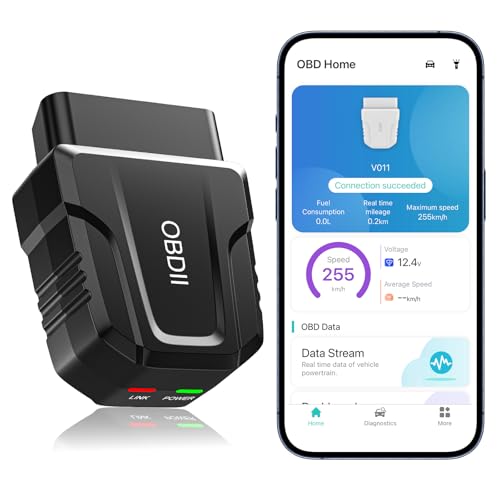
OBD2 Bluetooth Scanner Car Code Reader for iOS, Android and Windows
- wireless
$13.98 Check pricePrices change often - Veepeak
Veepeak Mini Bluetooth OBD2 Scanner Code Reader for Android (NOT for iOS)
- wireless
$14.99 Check pricePrices change often - MOCATEC
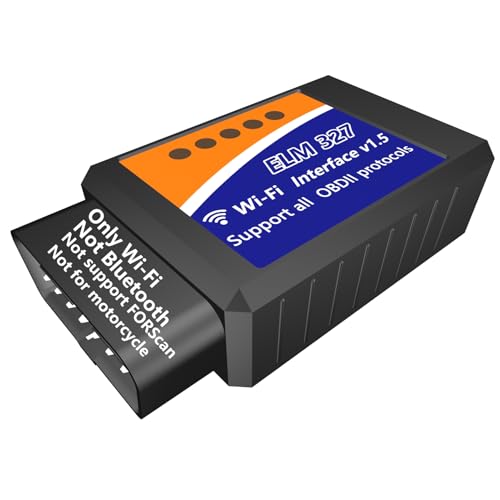
WiFi ELM327 OBD2 Adapter WiFi ELM 327 OBD Scanner for Universal 12V Vehicle
- wireless
$15.95 Check pricePrices change often - UMEIJA
OBD2 Scanner Diagnostic Tool, Car Scanner for iOS & Android, Bluetooth 5.4
- wireless
$29.99 Check pricePrices change often




Common questions
Why does my Ford truck have both a misfire code and P0420?
On 3-valve Triton V8 engines used in many 2004 to 2008 F-150 and Expedition models, a documented spark plug ejection issue causes ongoing misfires, and sustained misfiring can push unburned fuel into the catalytic converter and damage it. In that pattern, the misfire is the root cause and P0420 is often a downstream consequence.
Is P0420 different on Ford EcoBoost engines?
The code means the same thing generically, reduced catalyst efficiency, but on EcoBoost and other smaller four-cylinder Ford engines it is more often linked to routine oxygen sensor aging or a minor exhaust leak rather than the misfire-driven catalyst damage seen on older Triton V8 trucks.