P0301 on a Toyota
Quick answer
On Toyota 2AZ-FE engines documented for oil consumption, a cylinder 1 misfire can result from oil-fouled spark plugs on that specific cylinder, though which cylinder is affected first varies by individual engine wear pattern.
Severity 3 of 4. Short trips only.
Fix now · Short trips only
| Code | P0301 |
|---|---|
| Standard name | Cylinder 1 Misfire Detected |
| Make | Toyota |
| Severity | Fix now (3 of 4) |
| Safe to drive | Short trips only |
| Tool needed | Scanner with live data |

TOPDON TopScan Lite OBD2 Scanner, Bidirectional Scan Tool, 8 Resets & AI
Adds live sensor streams and freeze frame, which is what turns a code into a diagnosis rather than a guess.
Coverage varies by tool and by model year, so check a specific tool against a specific vehicle before buying.
What is different about P0301 on a Toyota?
The same 2AZ-FE oil consumption pattern documented for random misfire codes can just as easily isolate to a single cylinder like cylinder 1 depending on which cylinder is consuming the most oil.
Toyota specific patterns behind P0301
Cylinder-specific oil fouling: On the documented 2AZ-FE engine used in many 2007 to 2009 Camry and RAV4 models, oil consumption does not necessarily affect every cylinder evenly, and a spark plug fouled by oil in the cylinder 1 position specifically is a documented cause of an isolated P0301 code.
Ignition coil failure specific to one cylinder: Outside of the documented oil consumption pattern, a single failing ignition coil remains a common and generic cause of a cylinder-specific misfire code on Toyota engines generally.
What to check first on a Toyota
The order below narrows the generic P0301 list down to what is worth checking first on this make. It is a starting order, not a diagnosis: patterns are generation specific and a vehicle outside those generations may have none of them.
Check in this order
- Inspect the cylinder 1 spark plug for oil fouling if the engine is a documented 2AZ-FE from the affected years
- Swap the cylinder 1 ignition coil with another cylinder's coil to see if the misfire follows the coil
- Check cylinder 1 spark plug condition and gap generally
- Check for a vacuum leak local to that cylinder's intake runner
The generic picture behind P0301
The computer counts tiny fluctuations in crankshaft speed between firing events and attributes each misfire to the cylinder whose firing position lines up with the disturbance. This code sets when that pattern repeatedly points to cylinder 1 specifically, rather than being spread across the engine. A single cylinder misfire almost always traces back to something local to that cylinder, such as its plug, coil or injector.
Everything on the main P0301 page still applies here. This page narrows the cause list to the patterns documented on Toyota vehicles, it does not replace the underlying definition.
The generic version of this code
Tools that can diagnose P0301
Adds live sensor streams and freeze frame, which is what turns a code into a diagnosis rather than a guess.
- LJPXHHU
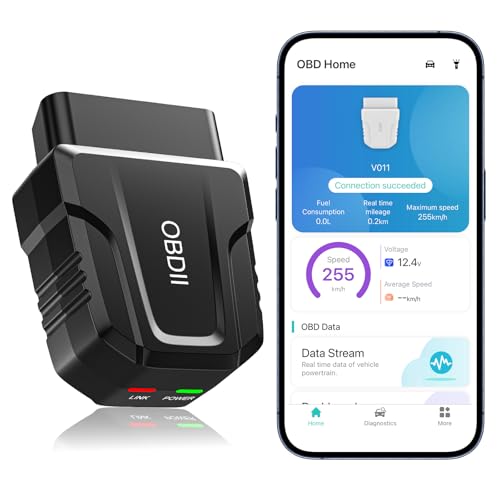
OBD2 Bluetooth Scanner Car Code Reader for iOS, Android and Windows
- wireless
$13.98 Check pricePrices change often - Veepeak
Veepeak Mini Bluetooth OBD2 Scanner Code Reader for Android (NOT for iOS)
- wireless
$14.99 Check pricePrices change often - MOCATEC
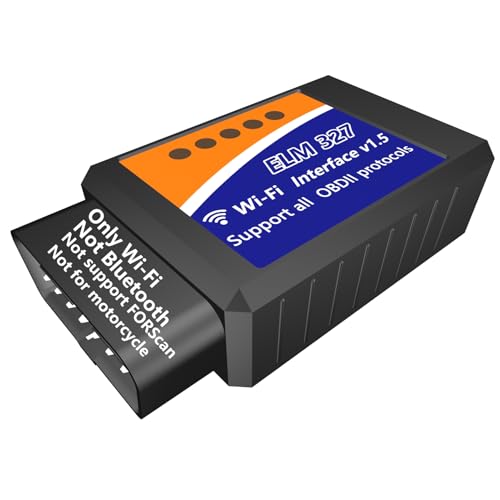
WiFi ELM327 OBD2 Adapter WiFi ELM 327 OBD Scanner for Universal 12V Vehicle
- wireless
$15.95 Check pricePrices change often - UMEIJA
OBD2 Scanner Diagnostic Tool, Car Scanner for iOS & Android, Bluetooth 5.4
- wireless
$29.99 Check pricePrices change often




Common questions
Can oil consumption affect only one cylinder on a Toyota?
Yes, oil consumption on the documented 2AZ-FE engine does not necessarily affect every cylinder evenly, so a spark plug fouled by oil in one specific cylinder position, including cylinder 1, is a documented cause of a cylinder-isolated misfire code rather than a random one.
Which cylinder is cylinder 1 on a Toyota four-cylinder engine?
Cylinder numbering can vary by specific engine, though it is commonly numbered from the timing chain or belt end. Check a cylinder numbering diagram for your exact engine to be certain rather than assuming.